



What to Do After a Car Accident
What to Do After a Car Accident
Being involved in a car accident is one of the most stressful experiences a driver can face. Whether it's a minor fender bender or a more serious collision, knowing the proper steps to take immediately following an accident can protect your safety, legal rights, and insurance claim. Staying calm and following a systematic approach ensures you handle the situation as smoothly as possible.
The first priority after any accident is safety. Check yourself and your passengers for injuries, then assess the condition of others involved in the collision. If anyone is injured or if the vehicles are severely damaged, call 911 immediately. Even if injuries seem minor, it's often wise to have police document the accident with an official report, which can be invaluable for insurance claims later. If the vehicles are drivable and it's safe to do so, move them out of traffic to prevent additional accidents. Turn on your hazard lights to alert other drivers to the situation.
Once everyone is safe, exchange information with the other driver. You'll need their full name, contact information, insurance company name and policy number, driver's license number, and license plate number. Be polite and cooperative, but avoid discussing fault or apologizing for the accident, as these statements can be used against you later. Even if you believe you were at fault, let the insurance companies and authorities make that determination based on the facts.
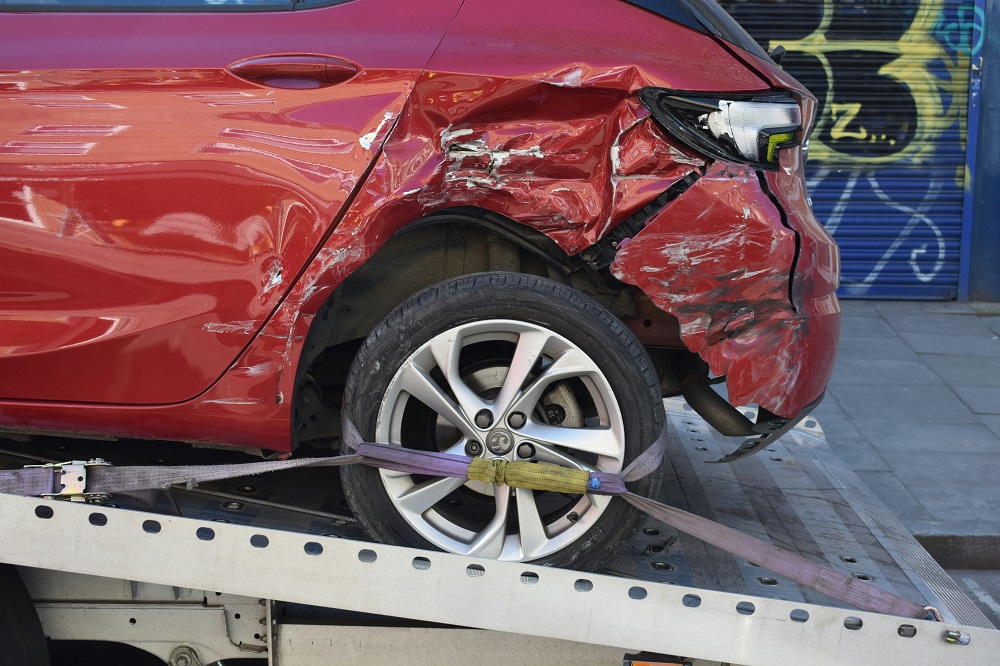
Document everything thoroughly. Use your smartphone to take photos of all vehicle damage from multiple angles, the overall accident scene, road conditions, traffic signs, skid marks, and any visible injuries. If there are witnesses, politely ask for their contact information, as their statements may support your version of events. The more documentation you have, the stronger your insurance claim will be.
Report the accident to your insurance company as soon as possible, ideally within 24 hours. Most policies require prompt notification, and delays can complicate or even jeopardize your claim. Provide an honest and detailed account of what happened, but stick to the facts rather than speculation about fault. Your insurer will guide you through the claims process and advise you on next steps.
Keep all documentation related to the accident organized in one place, including the police report, medical records, repair estimates, rental car receipts, and correspondence with insurance companies. This paper trail is crucial for ensuring your claim is processed smoothly and you receive the compensation you deserve for damages and injuries.